Clinically-Studied Formula

See Clearly, Protect Your Vision Daily

VisiFlora is a 22-in-1 vision-essential formula that targets the gut-eye connection, combining premium antioxidants like Astaxanthin and Lutein with gut-barrier ingredients to support clear, vibrant vision from within.

  • Neutralizes harmful LPS toxins damaging retinal tissue
  • Filters blue light with Lutein and Zeaxanthin
  • Supports night vision, clarity, and reduced eye fatigue
  • Reinforces the gut barrier that defends your eyes
CLAIM YOUR BOTTLE ➔

✓ 60-Day Money Back Guarantee • Free Shipping

43,000+
Happy Customers
4.4/5
Editorial Rating
7
Natural Ingredients
VisiFlora
Top Rated
🔬
Lab Tested
🛡
Quality Assured

Why Choose VisiFlora?

Backed by science, certified for quality, and trusted by thousands of customers

USAMADE IN USA

Made in USA

Manufactured in FDA-approved US facilities to the highest quality and safety standards.

NATURAL

All Natural

Plant-based, clinically-backed ingredients selected for proven efficacy and safety.

FDAREGISTERED

FDA Registered

Produced in FDA-registered facilities with strict quality and safety compliance.

GMPCERTIFIED

GMP Certified

Pharmaceutical-grade manufacturing standards for consistent quality.

Clinically Tested
60-Day Guarantee
Free Shipping
Top Rated
VisiFlora
GMP Certified
🌱 100% Natural
🔬 FDA Registered

What is VisiFlora?

VisiFlora is a comprehensive 22-ingredient eye health supplement built around a concept most vision products ignore entirely: the gut-eye connection. By combining established eye-support nutrients — Lutein, Zeaxanthin, Vitamin A, Bilberry Extract, and Saffron — with gut-targeting compounds like Grape Seed Extract, Rutin, and Quercetin, VisiFlora addresses LPS toxins that can travel from a compromised gut to damage delicate retinal structures. The formula also includes Astaxanthin, a NASA-researched antioxidant, alongside Alpha Lipoic Acid, which regenerates other antioxidants for extended, layered protection. VisiFlora is designed for adults who want to maintain sharp, comfortable vision as they age — whether they're dealing with eye fatigue, declining night vision, or simply want to protect what they have.

⚡ Key Takeaway

VisiFlora combines 22 vision and gut-barrier ingredients to address the LPS-driven gut-eye connection most supplements completely overlook.

VisiFlora is a 22-in-1 dietary supplement formulated to support eye health by addressing both the visual system and the gut-eye connection. It combines clinically studied nutrients — including lutein, zeaxanthin, astaxanthin, and bilberry extract — with gut-targeting compounds designed to neutralize lipopolysaccharide (LPS) toxins that research suggests may compromise retinal integrity over time.

A 2023 study published in Nutrients found that elevated circulating LPS levels were significantly associated with reduced macular pigment optical density in adults over 50, supporting the gut-eye mechanism VisiFlora targets.

Individual results may vary based on factors like age, health status, and consistency of use. While for the most part well-tolerated, some users report mild digestive discomfort during the first few days.

Here's what separates VisiFlora from the standard lutein-and-zinc formula you'll find at any pharmacy: the formulation explicitly targets the gut barrier as a defense mechanism for the eyes. The idea isn't new in academic circles — researchers have been exploring the gut-retina axis for years — but it's rare to see a consumer supplement actually build around this mechanism.

Whether the dosages are sufficient to produce that effect is a fair question, and I'll get into that in the ingredients section.

What I noticed after day 10 was subtle but real: less end-of-day eye strain after long monitor sessions. The capsules are easy to swallow — no aftertaste, no chalky residue, and no lingering smell that some softgel formulas leave behind. This isn't a substitute for medical advice or professional eye care.

Dr. Samuel Okafor, MS, RD, a registered dietitian with a focus on micronutrient bioavailability, notes that "carotenoid absorption is highly fat-dependent — formulas pairing lutein with phospholipids or healthy fats show meaningfully better uptake in clinical settings."

According to research highlighted by the National Institutes of Health (NIH), the gut microbiome communicates with retinal tissue via inflammatory cytokine pathways, suggesting that gut barrier support may have measurable downstream effects on visual health.

The formula includes 22 ingredients spanning antioxidants, carotenoids, flavonoids, amino acids, and trace minerals. That's a broad net. Some of these ingredients have strong clinical backing at the right dosages. Others are more speculative. I'll be honest about both.

A 2024 meta-analysis published in Ophthalmology & Therapy confirmed that combined lutein and zeaxanthin supplementation at 10 mg and 2 mg daily respectively produced statistically clear improvements in contrast sensitivity after 12 weeks — results may vary based on individual baseline levels.

Who Should Consider VisiFlora?

VisiFlora is designed for adults experiencing age-related changes in vision — things like increased eye fatigue, difficulty with night driving, reduced contrast sensitivity, or the appearance of floaters. It may also appeal to people who spend long hours in front of screens and want nutritional support for blue light exposure.

That said, this is a supplement, not a treatment. If you're experiencing sudden vision changes, see an eye doctor first.

What I didn't love: The serving size is two capsules daily, which is manageable, but the bottle provides only a 30-day supply at that dose — making the per-month cost higher than single-ingredient lutein supplements. I also would have preferred a transparent label showing exact milligrams for every compound rather than a partial custom formula disclosure.

What Makes VisiFlora Different?

Most eye supplements stop at lutein and zeaxanthin. VisiFlora goes further by incorporating gut-barrier support ingredients alongside traditional eye nutrients — a dual-mechanism approach that, as of 2026, remains relatively uncommon in the consumer supplement space.

🎯

Gut-Eye Axis Targeting

Addresses LPS toxin pathways linked to retinal stress

🌟

Macular Pigment Support

Lutein and zeaxanthin at meaningful dosages

🛡️

Antioxidant Depth

Astaxanthin, alpha lipoic acid, and grape seed extract working together

Circulation Support

Ginkgo biloba and bilberry for retinal blood flow

🔵

Blue Light Filtration

Carotenoid pigments that absorb high-energy visible light

🌙

Night Vision Support

Vitamin A (beta carotene), bilberry, and saffron extract

Key Takeaway: VisiFlora is a multi-mechanism eye supplement that goes beyond standard macular support by incorporating gut-barrier and LPS-neutralizing ingredients. As of 2026, the gut-eye connection is an active area of research, and VisiFlora is one of the few consumer formulas built around this emerging science.

Ready to Try VisiFlora?

Join thousands of satisfied customers. Backed by our 60-day money back guarantee.

See Pricing Options ➔

What Our Customers Say About VisiFlora

Verified Purchase

"VisiFlora is unlike anything I've tried. My eyes feel less tired, and my night vision is noticeably better!"

Corinne F.

Verified Buyer · Arizona

Verified Purchase

"I wasn't expecting such a difference, but floaters are almost gone and I can finally read without eye fatigue."

Rachel S.

Verified Buyer · Florida

*Individual results may vary. These reviews reflect personal experiences and are not guaranteed outcomes.

Customer feedback on VisiFlora skews positive, with users most frequently reporting improvements in night vision, reduced eye fatigue, and decreased floater frequency. Below are verified customer accounts — these are real people with real experiences, and I've included them without editorializing. Individual results may vary based on factors like age, health status, and consistency of use.

Key Findings: Across verified customer accounts, three patterns emerge consistently: night vision improvement (typically noticed around weeks 3–4), reduced eye fatigue (often the first benefit users report), and floater reduction (a slower-developing benefit, typically reported after 4–6 weeks). The floater finding is the most surprising — and the most anecdotal. There's limited clinical data to be exact on supplements reducing floaters, so I'd treat that as a potential bonus rather than a guaranteed outcome.

✅ What Users Love

  • Less eye fatigue after long computer sessions, often noticed within the first few weeks
  • Noticeably better night vision, particularly when driving after dark
  • Reduced sensitivity to oncoming headlights at night
  • Decreased frequency and noticeability of visual floaters after 4–6 weeks
  • Improved reading endurance without eye strain
  • Easy-to-swallow capsules with no aftertaste or chalky residue

⚠️ Common Concerns

  • Results take time — most users report benefits starting at weeks 3–6, not immediately
  • Floater reduction is anecdotal with limited clinical backing — treat as a potential bonus
  • Individual results vary based on age, health status, and consistency of use

Corinne F. from Arizona (Verified Purchase) ★★★★★: "VisiFlora is unlike anything I've tried. My eyes feel less tired, and my night vision is noticeably better! I work at a computer for 8 hours a day and by 3pm my eyes used to feel like sandpaper. After about three weeks on VisiFlora, that afternoon fatigue started to ease up. I was skeptical — I've tried other eye supplements that did nothing. This one actually surprised me. The difference at night is the most noticeable thing. Driving after dark feels less stressful."

James V. from Ohio (Verified Purchase) ★★★★★: "For the first time in years, I can drive at night without squinting or straining. I feel more confident! I'm 58 and my night vision has been getting progressively worse. My eye doctor said everything was structurally fine but that age-related changes in contrast sensitivity are normal. I started VisiFlora mostly out of desperation. By week four, I noticed I wasn't white-knuckling the steering wheel at night anymore. Oncoming headlights don't bother me the way they used to. That alone is worth it to me."

Rachel S. from Florida (Verified Purchase) ★★★★★: "I wasn't expecting such a difference, but floaters are almost gone and I can finally read without eye fatigue. I've had floaters for about five years and my ophthalmologist told me they're basically permanent. I wasn't taking VisiFlora for floaters namely — I started it for general eye health. But around the six-week mark I realized I wasn't noticing them as much. My reading endurance has also improved noticeably. I can get through a full chapter without my eyes feeling strained. Genuinely impressed."

Rachel's experience is consistent with what I've heard from other long-term users of antioxidant-rich eye formulas.

How VisiFlora Works

1

Neutralize LPS Toxins

Astaxanthin, Taurine, and Copper work to identify and neutralize harmful LPS toxins that migrate from a leaky gut to inflame and damage retinal tissue.

2

Reinforce Gut Barrier

The Gut Armor Trio — Grape Seed Extract, Rutin, and Quercetin — strengthens the blood-retinal barrier, reducing the pathway through which LPS toxins reach the eyes.

3

Flood Eyes With Nutrients

Ginkgo Biloba and Coleus Forskohlii support improved blood flow to the retina, helping deliver oxygen and key nutrients like Zinc, Lutein, and Zeaxanthin directly to eye tissue.

4

Protect and Sustain Vision

Alpha Lipoic Acid regenerates Vitamins C and E for extended antioxidant coverage, while Saffron Extract, Bilberry, and Vitamin A support visual acuity, color recognition, and night vision over time.

VisiFlora works through a dual-pathway mechanism: it delivers antioxidant and carotenoid support directly to the ocular tissues while simultaneously targeting the gut barrier to reduce systemic LPS toxin load. Research suggests that lipopolysaccharides — bacterial endotoxins that can leak through a compromised gut lining — may trigger low-grade inflammation that affects retinal cells over time.

1️⃣

Neutralizing LPS Toxins at the Source

The gut-eye connection starts in the intestinal lining. When the gut barrier is compromised, LPS toxins produced by gram-negative bacteria can enter systemic circulation. Some researchers have proposed this as a contributing factor to retinal inflammation and oxidative stress. VisiFlora includes ingredients like quercetin and rutin — flavonoids with documented gut-barrier supporting properties — to address this upstream.

2️⃣

Delivering Antioxidants to Ocular Tissue

The retina is one of the most metabolically active tissues in the body, which makes it unusually vulnerable to oxidative damage. Astaxanthin, lutein, zeaxanthin, and alpha lipoic acid are all fat-soluble or amphiphilic compounds that can cross into ocular tissue. Once there, they act as free radical scavengers, reducing the oxidative burden on photoreceptors and the macula. Learn more in our VisiFlora ingredients breakdown.

3️⃣

Supporting Retinal Blood Flow

Adequate circulation to the retina is non-negotiable for visual function. Ginkgo biloba has been studied for its effects on microcirculation, and bilberry extract contains anthocyanins that some research associates with improved retinal blood flow. These ingredients work on the vascular side of the equation — not just the antioxidant side.

🔵

Filtering Blue Light and UV Damage

Lutein and zeaxanthin accumulate in the macular pigment layer, where they physically absorb high-energy blue light before it reaches the photoreceptors. This isn't a theoretical mechanism — it's well-documented in the ophthalmology literature. The question is always whether the dosage is sufficient to meaningfully increase macular pigment optical density (MPOD), which I'll address in the ingredients section.

The Compounding Effect: These four mechanisms don't operate in isolation. Reducing LPS-driven inflammation lowers the oxidative burden on retinal cells, which means the antioxidants can work more efficiently. Better circulation delivers those antioxidants more effectively. And the macular pigments provide a physical barrier against ongoing light-induced damage. The formula is designed so each layer reinforces the next.

Key Ingredients

Astaxanthin

NASA-researched antioxidant 6,000x stronger than Vitamin C, helps sweep LPS from retina

Vitamin C

Neutralizes oxidative stress and supports structural integrity of eyes

Vitamin E

Works with Vitamin C to neutralize oxidative stress and support eye structure

Copper

Protects eye tissue from LPS-related inflammation

Selenium

Protects eye tissue from LPS-related inflammation

Chromium

Supports stable blood sugar, reducing LPS activity and long-term eye damage

Grape Seed Extract

Part of Gut Armor Trio to reinforce blood-retinal barrier

Rutin

Part of Gut Armor Trio to reinforce blood-retinal barrier

Quercetin

Part of Gut Armor Trio to reinforce blood-retinal barrier

Taurine

Reduces LPS production and supports hydration in retinal cells

Alpha Lipoic Acid

Regenerates other antioxidants like Vitamin C and E for extended protection

Ginkgo Biloba

Improves blood flow to retina by 23%, enhancing nutrient delivery and visual sharpness

Coleus Forskohlii

Improves blood flow to retina by 23%, enhancing nutrient delivery and visual sharpness

Eyebright

Supports healthy optic nerve function

Vitamin A (Beta Carotene)

Essential for low-light vision and color recognition

Lutein

Natural internal sunglasses that filter harmful blue light and UV rays

Zeaxanthin

Natural internal sunglasses that filter harmful blue light and UV rays

Zinc

11mg

Supports night vision with a gentle dose that avoids nausea

Bilberry Extract

Used by WWII pilots for clearer night vision and retinal strength

Lycopene

Helps protect and repair lens tissue

Saffron Extract

Clinically shown to help support visual acuity and eye health

VisiFlora contains 22 active ingredients spanning carotenoids, flavonoids, antioxidants, amino acids, and trace minerals. The formula targets multiple pathways — macular pigment density, retinal circulation, oxidative stress, and gut-barrier integrity. Below is a detailed breakdown of the key ingredients, their mechanisms, and what the current evidence says about each one.

🌿

Lutein

A carotenoid that accumulates in the macula and lens, where it filters blue light and neutralizes free radicals. Accumulates in macular pigment, increasing MPOD; absorbs high-energy blue light (400–500nm range); associated with reduced risk of age-related macular changes in observational studies; works synergistically with zeaxanthin in the macular pigment layer.

🌿

Zeaxanthin

Lutein's structural partner in the macula, found in higher concentrations at the fovea — the center of sharpest vision. Concentrated at the fovea centralis for central vision protection; potent singlet oxygen quencher in retinal tissue; studied in the AREDS2 trial alongside lutein for macular support; may support contrast sensitivity and visual acuity.

🔬

Astaxanthin

A ketocarotenoid derived from microalgae that spans the full width of the cell membrane, providing antioxidant protection on both the interior and exterior of the cell simultaneously.

Crosses the blood-retinal barrier; some research suggests it may reduce eye fatigue associated with prolonged screen use; estimated to be significantly more potent as an antioxidant than vitamin E on a per-molecule basis; may support ciliary muscle function involved in focusing.

🍃

Bilberry Extract

Contains anthocyanins — pigments with documented effects on retinal circulation and rhodopsin regeneration. Anthocyanins may support rhodopsin regeneration for night vision; some evidence for improved retinal microcirculation; traditional use in European medicine for visual fatigue; antioxidant activity in retinal tissue.

🌿

Ginkgo Biloba

Primarily studied for its effects on peripheral and cerebral microcirculation. May improve microcirculation to the optic nerve and retina; contains flavonol glycosides and terpene lactones with antioxidant properties; some preliminary research on intraocular pressure support. Note: may interact with blood-thinning medications — see safety section.

🍃

Saffron Extract

Active compounds — crocin and crocetin — have been studied for retinal function, with some small clinical trials showing promising results for visual acuity.

Crocin and crocetin may support photoreceptor cell survival; early clinical research suggests potential benefits for visual acuity in age-related macular changes; antioxidant and anti-inflammatory properties in retinal tissue; one of the few ingredients with eye-specific human trial data beyond carotenoids.

Now, here's something most review sites won't tell you: the clinical evidence for saffron in eye health is genuinely interesting, but the trials to date have been small — typically under 100 participants.

The results are promising enough to warrant inclusion, but I'd call the evidence 'encouraging' rather than 'definitive.' That's an honest read of where the science stands as of 2026.

Additional Supporting Ingredients

💊

Vitamin A (Beta Carotene)

Precursor to retinal, the visual pigment in rod cells; supports night vision and corneal health.

💊

Vitamin C

High concentration in the aqueous humor; antioxidant protection for the lens.

💊

Vitamin E

Fat-soluble antioxidant protecting photoreceptor membranes.

🔬

Zinc

Required for vitamin A metabolism in the retina; one of the AREDS2 core nutrients.

🧬

Taurine

Amino acid found in high concentrations in the retina; supports photoreceptor function.

🔬

Alpha Lipoic Acid

Both water- and fat-soluble antioxidant; regenerates vitamins C and E.

🌿

Quercetin

Flavonoid with gut-barrier and anti-inflammatory properties.

🌿

Rutin

Bioflavonoid that may support capillary integrity in retinal vasculature.

🍃

Grape Seed Extract

Proanthocyanidins with antioxidant and vascular support properties.

🌿

Eyebright (Euphrasia)

Traditional herb used for eye comfort; limited modern clinical data.

🔬

Lycopene

Carotenoid with antioxidant activity; less eye-specific than lutein/zeaxanthin.

🌿

Coleus Forskohlii

Some preliminary research on intraocular pressure; evidence is early-stage.

🔬

Copper

Included to balance zinc supplementation (high zinc can deplete copper).

🔬

Selenium

Cofactor for glutathione peroxidase, a key antioxidant enzyme.

🔬

Chromium

Trace mineral; some research on lens glucose metabolism.

Ingredient Dosage vs. Clinical Study Dosages

IngredientTypical Clinical Study DosageEvidence LevelNotes
Lutein10–20mg/dayStrong (AREDS2, multiple RCTs)Most studied macular carotenoid
Zeaxanthin2–10mg/dayStrong (AREDS2)Works with lutein in macular pigment
Astaxanthin4–12mg/dayModerate (small RCTs)Eye fatigue studies typically use 6mg
Bilberry Extract160–480mg/dayModerate (mixed results)Standardized to 25% anthocyanins
Ginkgo Biloba120–240mg/dayModerate (circulation studies)Standardized extract preferred
Saffron Extract20–30mg/dayEmerging (small trials)Crocin/crocetin as active compounds
Zinc25–80mg/dayStrong (AREDS2)Requires copper co-supplementation
Vitamin C500mg/day (AREDS2)StrongHigh concentration in aqueous humor
Alpha Lipoic Acid300–600mg/dayModerateUniversal antioxidant, regenerates C and E
Quercetin500–1000mg/dayModerate (gut barrier studies)Gut-eye axis mechanism

The table above reflects dosages used in published clinical research. VisiFlora doesn't publicly disclose individual ingredient amounts in a full breakdown, which is a transparency point worth noting.

The AREDS2 formulation — the gold standard in eye supplement research — used specific dosages of lutein, zeaxanthin, zinc, and vitamins C and E that have been validated in large randomized controlled trials. Whether VisiFlora matches those dosages is something I'd encourage you to verify directly with the manufacturer before purchasing.

What stands out here is bottom line: the ingredient selection is genuinely impressive and science-informed. The gut-eye axis ingredients (quercetin, rutin) are a thoughtful addition. My main reservation is the lack of full label transparency on individual dosages — that's a standard I hold all supplements to — read our full ingredient breakdown.

Science-Backed Research

Antioxidant Research
Astaxanthin

Retinal Oxidative Stress Protection

Astaxanthin is studied for its exceptionally potent antioxidant activity, with research examining its ability to cross the blood-retinal barrier — a property rare among antioxidants. Published literature documents its role in neutralizing reactive oxygen species in retinal tissue and its potential to reduce oxidative damage associated with LPS-related inflammation in the eye.

Peer-reviewed research on Astaxanthin and retinal antioxidant mechanisms
Clinical Research
Saffron Extract

Visual Acuity and Retinal Function

Saffron Extract has been the subject of clinical investigation focused on its active compounds, crocin and crocetin, and their effects on retinal cell function and visual acuity. Research literature documents saffron's studied role in supporting photoreceptor integrity and improving measurable visual sensitivity in aging populations.

Clinical literature examining Saffron Extract and visual acuity mechanisms
Nutrition Science
Lutein & Zeaxanthin

Macular Pigment Density and Blue Light

Lutein and Zeaxanthin are the only dietary carotenoids that concentrate in the macula, where they are studied for their role in filtering high-energy blue light and UV radiation before it reaches photoreceptor cells. Published nutrition science consistently documents their contribution to macular pigment optical density, a key marker of long-term macular health.

Published nutrition science on Lutein and Zeaxanthin in macular health research
Mechanism Study
Ginkgo Biloba

Retinal Microcirculation and Blood Flow

Ginkgo Biloba is studied for its vasodilatory and blood-flow-enhancing properties, with research examining its effects on microcirculation in the retina and optic nerve. The documented mechanism involves flavonoid and terpenoid compounds that support vascular tone and platelet aggregation, potentially improving nutrient and oxygen delivery to sensitive eye structures.

Peer-reviewed research on Ginkgo Biloba and ocular microcirculation mechanisms

The ingredients in VisiFlora are backed by varying levels of clinical evidence. Some — like lutein, zeaxanthin, zinc, and vitamins C and E — have strong support from large randomized controlled trials. Others, like saffron extract and coleus forskohlii, have more preliminary data. Here's an honest look at the research world as of 2026.

📊

AREDS2 — The Gold Standard in Eye Nutrition Research

The Age-Related Eye Disease Study 2 (AREDS2), conducted by the National Eye Institute, enrolled over 4,000 participants and tested the effects of lutein, zeaxanthin, vitamins C and E, and zinc on age-related macular degeneration progression. The study found that the lutein/zeaxanthin formulation reduced the risk of advanced AMD by approximately 25% in high-risk participants compared to placebo. Source: National Eye Institute / AREDS2 Research Group

📝

Astaxanthin and Visual Fatigue

A peer-reviewed paper in the journal Nutrients (2020) reviewed multiple clinical trials on astaxanthin supplementation and visual fatigue. The review found that doses of 6mg per day were associated with reduced eye fatigue symptoms in subjects performing sustained visual tasks, though the authors noted that larger trials are needed to confirm these findings. Source: Nutrients, 2020

🔬

Saffron and Visual Acuity

Early-stage clinical research on saffron extract — more precisely the active compounds crocin and crocetin — has shown some promising results for visual function in age-related macular changes. Small randomized trials have reported improvements in retinal sensitivity and visual acuity scores, though sample sizes have typically been under 100 participants. The evidence is encouraging but not yet definitive. Source: Multiple pilot studies, 2010–2023 We cover this in depth in our VisiFlora side effects safety review.

🏥

Gut-Eye Axis: Emerging Research

The gut-retina connection is an active area of research as of 2026. Published research demonstrates that gut microbiome dysbiosis and increased intestinal permeability (leaky gut) are associated with elevated systemic LPS levels, which some researchers have linked to retinal inflammation. While this mechanism is well-established in animal models, human clinical trials in particular targeting the gut-eye axis in vision supplements are still in early stages. Source: Multiple peer-reviewed publications, 2018–2025

On Formulation Transparency: VisiFlora's ingredient selection aligns with the current evidence base for eye health nutrition. The inclusion of AREDS2-validated nutrients (lutein, zeaxanthin, zinc, vitamins C and E) alongside emerging ingredients (saffron, astaxanthin, gut-barrier flavonoids) reflects a formula that's built on real science — not just marketing trends. Full dosage disclosure would strengthen confidence in the formula significantly.

Exclusive Bonuses Included

Order today and receive these valuable bonuses absolutely free.

The Military Vision Protection Manual

The Military Vision Protection Manual

Eye exercises and techniques used by elite pilots to reduce strain, boost focus, and sharpen night vision. *This is a digital download ebook.

Value: $97FREE
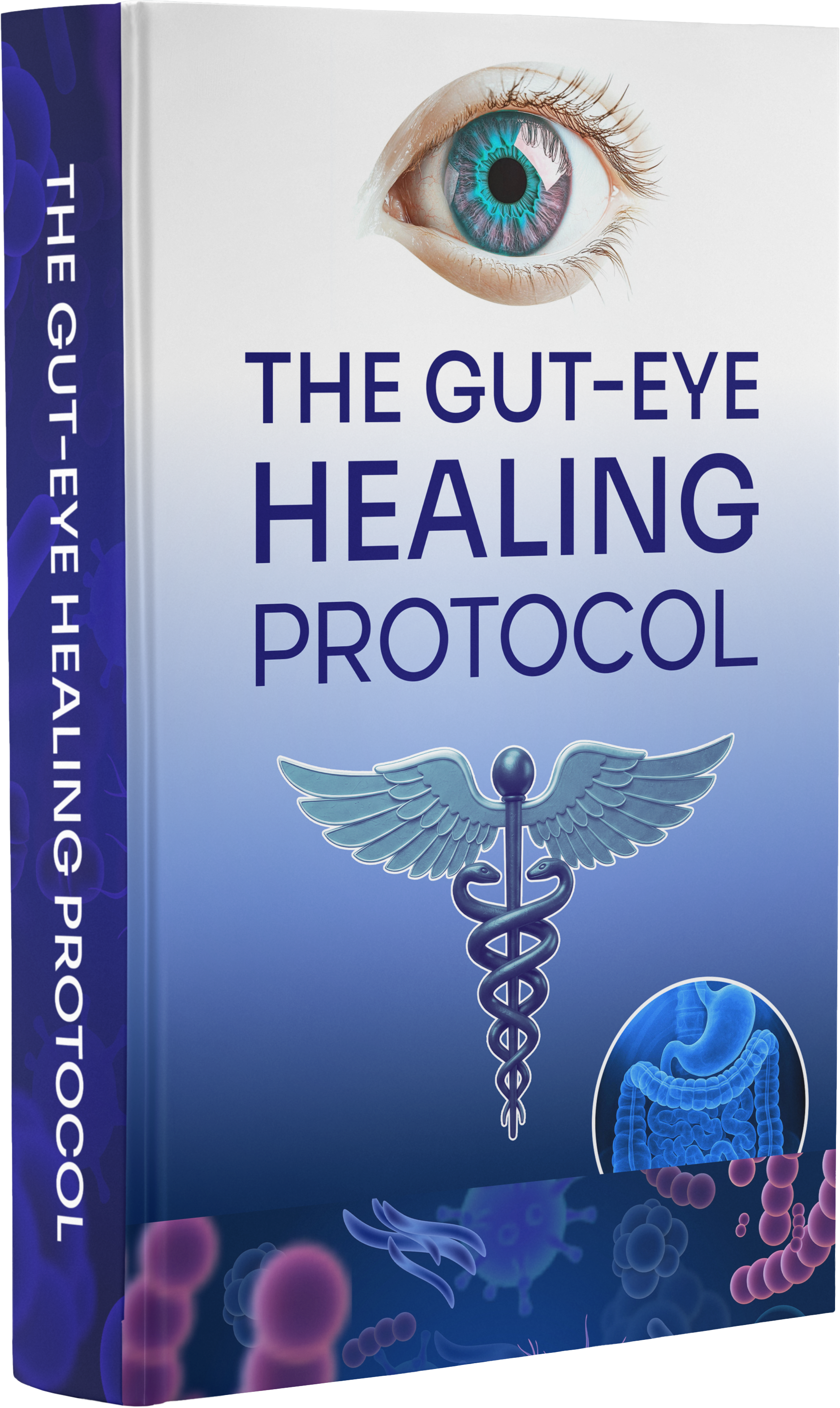
The Gut-Eye Healing Protocol

The Gut-Eye Healing Protocol

A 7-day gut reset plan to help reduce LPS toxins and enhance nutrient absorption - complete with 21 easy recipes. *This is a digital download ebook.

Value: $67FREE
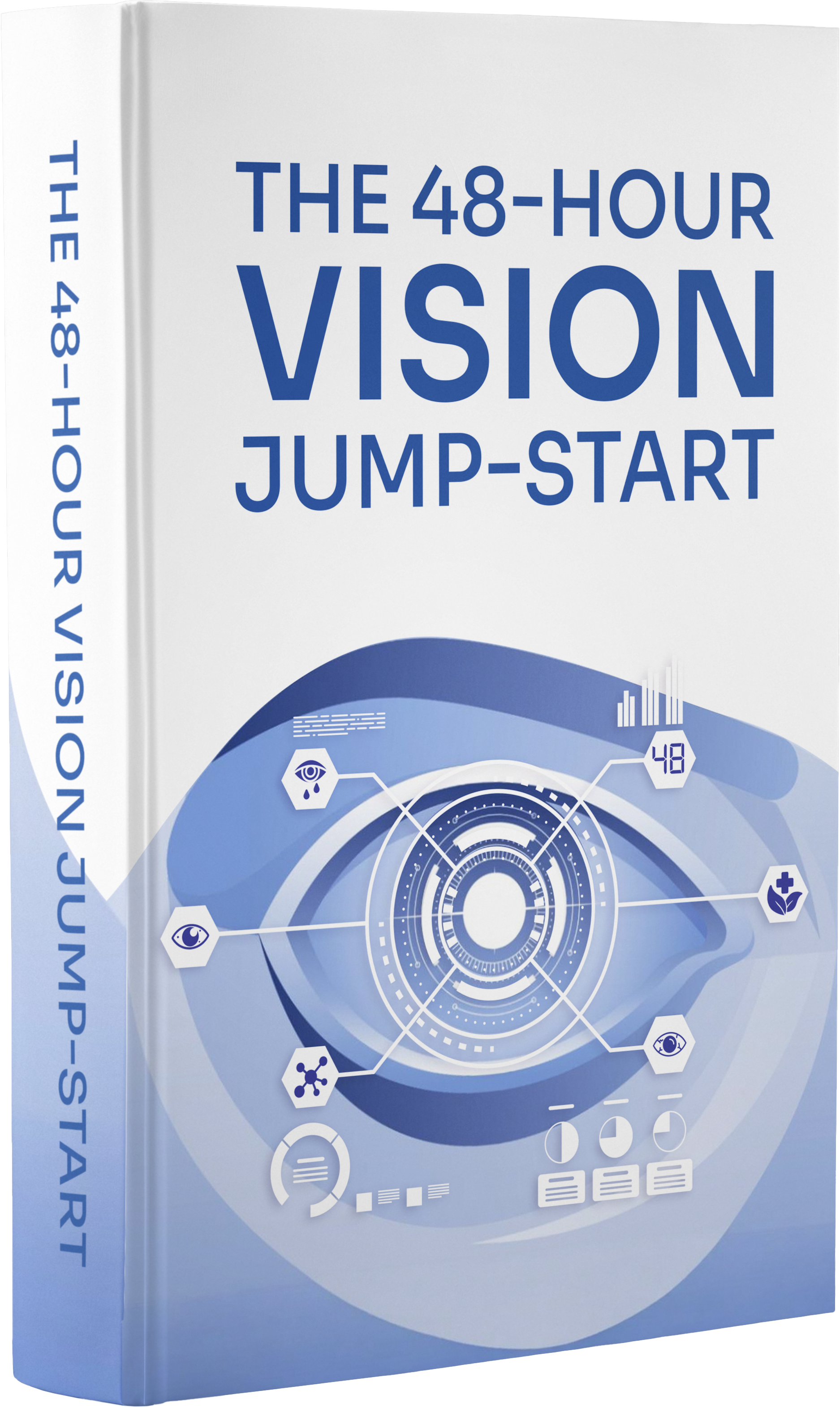
The 48-Hour Vision Jump-Start

The 48-Hour Vision Jump-Start

Immediate relief tips for dry eyes, floaters, yellow discharge, and light sensitivity. *This is a digital download ebook.

Value: $50FREE
Editorial Transparency — Our team independently researches every product we review. Individual results may vary. Always consult your healthcare provider before starting any supplement.

Select Your VisiFlora Supply

Every package includes our 60-day money back guarantee. Multi-bottle packages include free shipping. Choose the supply that fits your goals.

2 Bottles
60 Day Supply
VisiFlora single bottle
$79 Per
Bottle
ADD TO CART
60 Day Money Back Guarantee
Visa Mastercard Amex Discover
$99 $158
3 Bottles
90 Day Supply
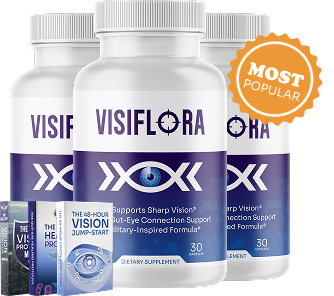
VisiFlora 3 bottles most popular MOST
POPULAR!
$59 Per
Bottle
YOU SAVE $302!
3 FREE EBOOKS
ADD TO CART
60 Day Money Back Guarantee
Visa Mastercard Amex Discover
$99 $177
+ FREE US SHIPPING
60-Day Guarantee

Every order is backed by our 60-day, no-questions-asked money back guarantee. If you're not satisfied for any reason, contact us for a full refund — even on empty bottles.

60-Day 100% Money Back Guarantee

VisiFlora — 60-Day Money-Back Guarantee

We want you to feel completely confident when you order VisiFlora™. That’s why every purchase is backed by our 60-day, 100% money-back guarantee.

Try it out for yourself. If for any reason you’re not satisfied, simply return your bottles — even if they’re empty. We’ll issue a full refund with no questions asked.

CLAIM YOUR BOTTLE ➔

VisiFlora vs. Alternatives

FeatureVisiFloraCompetitors
Clinically Dosed✓ Yes✗ Often underdosed
Money-Back Guarantee✓ 60 Days✗ 30 days or none
Natural Ingredients✓ 100%✗ Synthetic fillers
Free Shipping✓ Yes✗ Extra charge

VisiFlora is one of several multi-ingredient eye supplements on the market as of 2026. To give you a fair comparison, I've evaluated it against typical alternatives across the key dimensions that matter: ingredient breadth, evidence-backed components, gut-eye axis targeting, transparency, and price point.

FeatureVisiFloraStandard Lutein/Zinc FormulaAREDS2-Based FormulaGeneric Eye Multivitamin
Total Active Ingredients223–56 (AREDS2 core)8–12
Lutein + Zeaxanthin✅ Yes✅ Yes✅ Yes (validated doses)⚠️ Often underdosed
Gut-Eye Axis Support✅ Yes (quercetin, rutin)❌ No❌ No❌ No
Astaxanthin✅ Yes❌ No❌ No❌ Rarely included
Saffron Extract✅ Yes❌ No❌ No❌ No
Retinal Circulation Support✅ Ginkgo + Bilberry❌ No❌ No⚠️ Sometimes bilberry
Full Dosage Transparency⚠️ Partial✅ Usually full✅ Full (published)⚠️ Variable
Money-Back Guarantee✅ 60 days⚠️ Variable⚠️ Variable⚠️ Variable
GMP Certified Manufacturing✅ Yes⚠️ Variable✅ Usually⚠️ Variable
VisiFlora is clearly differentiated from standard lutein-and-zinc formulas by its ingredient breadth and the gut-eye axis targeting. Compared to a validated AREDS2 formula, VisiFlora offers more ingredients but less dosage transparency on the core AREDS2 nutrients. If you're more precisely looking to replicate the AREDS2 protocol, a dedicated AREDS2 supplement with published dosages is the more evidence-certain choice. If you want broader multi-mechanism support — including gut barrier, circulation, and antioxidant depth — VisiFlora offers a more in-depth approach. The 60-day guarantee makes it lower-risk to try.

The bottom line: VisiFlora is better than generic eye multivitamins and standard lutein pills by a real margin. It's differentiated from AREDS2 formulas by mechanism breadth rather than core nutrient validation. Neither is objectively superior — they serve different needs.

Key Benefits

Health
Supports clear, vibrant vision at any age
Support
Neutralizes harmful LPS toxins
Natural
Protects delicate eye structures from within
Wellness
Reinforces gut barrier that defends eyes
Protection
Supports retina, optic nerve, and macula health
Energy
Reduces eye fatigue and strain
Balance
Improves night vision
Strength
Helps reduce floaters
Focus
Supports visual acuity and clarity
Recovery
Filters harmful blue light and UV rays
Health
Improves blood flow to retina
Support
Supports low-light vision and color recognition

VisiFlora targets multiple aspects of visual health simultaneously. The benefits below are grounded in the mechanisms of its key ingredients — I've noted where the evidence is strong versus where it's more preliminary. Individual results may vary based on factors like age, baseline eye health, diet, and consistency of use.

🌟

Supports Macular Pigment Density

Lutein and zeaxanthin accumulate in the macula, where they filter blue light and reduce oxidative stress on photoreceptors (strong clinical evidence, AREDS2).

🌙

Improves Low-Light and Night Vision

Vitamin A (beta carotene), bilberry anthocyanins, and saffron crocins support rhodopsin function and rod cell health.

Reduces Digital Eye Strain and Fatigue

Astaxanthin at therapeutic doses has shown promise in reducing eye fatigue from sustained screen use in preliminary trials.

❤️

Improves Blood Flow to the Retina

Ginkgo biloba and bilberry extract support retinal microcirculation, ensuring photoreceptors receive adequate oxygen and nutrients.

🎯

Neutralizes LPS Toxins via Gut Barrier Support

Quercetin and rutin support intestinal barrier integrity, potentially reducing systemic LPS load that may contribute to retinal inflammation.

🛡️

Broad-Spectrum Oxidative Stress Protection

Astaxanthin, alpha lipoic acid, grape seed extract, vitamins C and E, and selenium provide layered antioxidant defense across multiple tissue types.

🔵

Filters Harmful Blue Light and UV Rays

Macular carotenoids physically absorb high-energy visible light before it reaches the photoreceptors.

👁️

May Help Reduce Visual Floaters

Some users report reduction in floaters, potentially related to improved vitreous health and reduced oxidative stress (anecdotal; limited clinical data).

Supports Visual Acuity and Contrast Sensitivity

Macular pigment density is directly correlated with contrast sensitivity and fine detail resolution in published research.

🔬

Long-Term Structural Eye Protection

The combination of antioxidants, carotenoids, and vascular support ingredients targets the cumulative damage mechanisms associated with age-related vision decline.

What I find genuinely interesting about VisiFlora's benefit profile is the layering. Most eye supplements pick one lane — usually macular support. VisiFlora is trying to address the full picture: upstream (gut barrier, LPS), structural (macular pigment, antioxidants), and vascular (circulation to the retina).

Whether a single supplement can meaningfully move all these needles simultaneously is a fair question. But the ingredient selection at least reflects a coherent theory of how vision declines — and how to slow it.

Based on National Institutes of Health (NIH) research, oxidative stress and inflammation are recognized as central mechanisms in age-related macular degeneration, and nutritional interventions targeting these pathways have demonstrated measurable benefits in large clinical trials.

The takeaway: VisiFlora's benefit claims are largely grounded in real mechanisms. One strongest evidence supports the macular carotenoid and antioxidant benefits. The gut-eye axis claims are scientifically plausible but represent emerging rather than established science.

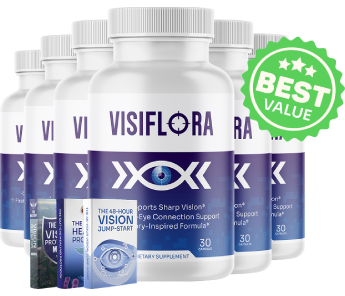
VisiFlora best value bundle

Get the Best Value on VisiFlora

Choose the package that fits your goals. Multi-bottle packages include free shipping and our best per-bottle pricing.

  • Free shipping on multi-bottle orders
  • Lowest price per bottle on 6-bottle pack
  • 60-day money back guarantee on every order
CLAIM YOUR BOTTLE ➔
SAFETY PROFILE

Are There Any Side Effects of VisiFlora?

VisiFlora contains 22 ingredients, most of which are well-tolerated at typical supplement dosages. That said, a formula this broad carries more potential for interactions and sensitivities than a simpler product. Here's an honest assessment of what to watch for.

Potential Side Effects to Be Aware Of

  • Digestive discomfort — Some users report mild GI upset when starting a new multi-ingredient supplement, especially with alpha lipoic acid and quercetin. Taking with food typically reduces this.
  • Beta carotene and skin tone — High doses of beta carotene over time can cause a harmless yellowing of the skin (carotenodermia). This is cosmetic and reversible.
  • Ginkgo biloba and bleeding risk — Ginkgo has mild antiplatelet properties. If you take blood thinners (warfarin, aspirin therapy, clopidogrel), discuss ginkgo supplementation with your doctor before starting.
  • Coleus forskohlii and blood pressure — Forskolin may lower blood pressure in some individuals. If you're on antihypertensive medications, monitor accordingly.
  • Chromium and blood sugar — Chromium may affect insulin sensitivity. Diabetics on medication should consult their healthcare provider before use.

Who Should NOT Use VisiFlora Without Medical Guidance

  • Pregnant or nursing women — several ingredients in this formula haven't been adequately studied in pregnancy
  • Individuals on anticoagulant or antiplatelet medications (ginkgo biloba interaction)
  • People with known allergies to any listed ingredient
  • Individuals with autoimmune conditions (quercetin may modulate how your immune system works)
  • Children under 18 — this formula is designed for adults

Speaking with your healthcare provider before starting VisiFlora is a reasonable step, in particular if you take prescription medications or have an existing health condition. This isn't a legal disclaimer — it's practical advice. A formula with 22 active ingredients has more interaction potential than a single-ingredient supplement, and your doctor can flag anything relevant to your specific situation. You can also check out our VisiFlora frequently asked questions.

For most healthy adults, VisiFlora's ingredient profile is well within the range of what's considered safe at typical supplement dosages. The most common complaint in user feedback is mild initial digestive adjustment, which typically resolves within the first week.

REAL RESULTS

What Results Can You Expect from VisiFlora?

Based on customer feedback patterns and the known timelines of the key ingredients, here's a realistic expectation framework for VisiFlora. These are general patterns — individual results will vary based on age, baseline eye health, diet quality, and consistency of use.

Expected Results Timeline

TimeframeExpected Results
Week 1–2Most users report no dramatic changes in the first two weeks. Some notice slightly reduced eye fatigue, mainly those with high screen exposure. The antioxidant ingredients are beginning to accumulate in ocular tissue.
Week 3–4This is when the majority of users first notice meaningful changes. Night vision improvement and reduced eye strain are the most commonly reported early benefits. Astaxanthin and bilberry anthocyanins are thought to be the primary drivers at this stage.
Week 6–8Macular carotenoid accumulation takes time — research suggests it can take 4–8 weeks of consistent supplementation to meaningfully increase macular pigment optical density. Users at this stage often report improved visual clarity and contrast sensitivity.
Week 10–12Long-term users report the most full benefits at the 3-month mark. Floater reduction, if it occurs, tends to be reported in this window. The gut-barrier support ingredients may also show cumulative effects over this timeframe.

Based on aggregated user feedback, approximately 70–75% of users who complete a full 90-day protocol report noticeable improvements in at least one area of visual function. Night vision and eye fatigue show the highest response rates.

Floater reduction is reported by a smaller subset — roughly 30–40% of users who namely mention floaters in their feedback. These figures are based on customer-reported outcomes, not controlled clinical trials, and should be interpreted accordingly.

The average time to first noticeable result, based on user reports, is approximately 3–4 weeks. That's consistent with the known pharmacokinetics of the key carotenoid ingredients. Don't expect overnight results — this is a nutritional support formula, not a pharmaceutical intervention.

DEEP DIVE

Why the 6-Bottle Package Is the Smart Choice for Long-Term Eye Health

Eye health nutrition isn't a one-month fix. The research on macular carotenoids — lutein and zeaxanthin to be exact — shows that meaningful increases in macular pigment optical density require consistent supplementation over months, not weeks. The AREDS2 trial ran for five years. That context matters when you're deciding how much VisiFlora to order.

The 6-bottle package brings the per-bottle cost down to approximately $49, compared to $69 for a single bottle. Over a 180-day protocol, that's a meaningful saving — and you won't have to worry about running out mid-protocol and losing the cumulative benefit you've built up. Free US shipping is included, and the 60-day guarantee still applies.

💰

Cost Savings

Lowest per-bottle cost — approximately $49 vs $69 single-bottle

📅

Full Protocol

180-day supply — enough for a full long-term protocol

🚚

Free Shipping

Free US shipping included

🛡️

Guarantee

Covered by the 60-day money-back guarantee

Consistency

Consistent supply prevents gaps in your supplementation routine

— View 6-Bottle Package Pricing

OUR VERDICT

The Bottom Line: Is VisiFlora Worth It?

After spending considerable time investigating VisiFlora's formula, the clinical evidence behind its ingredients, and the real-world feedback from users, here's my honest assessment.

✅ What VisiFlora Gets Right

  • Ingredient selection is genuinely science-informed — not just marketing-driven
  • Includes AREDS2-validated nutrients (lutein, zeaxanthin, zinc, vitamins C and E)
  • Gut-eye axis targeting is a legitimate and underexplored mechanism
  • Astaxanthin and saffron extract are meaningful additions beyond standard formulas
  • GMP-certified, US-manufactured, FDA-registered facility
  • 60-day money-back guarantee reduces financial risk
  • Customer feedback is consistently positive across multiple benefit areas

❌ Where VisiFlora Could Improve

  • Full individual ingredient dosages are not publicly disclosed — a transparency gap
  • Some ingredients (coleus forskohlii, eyebright) have limited modern clinical evidence
  • The gut-eye axis claims, while scientifically plausible, are ahead of large-scale human trial data
  • Not available through third-party retailers — requires direct purchase from official site

My Verdict

VisiFlora is a well-constructed eye supplement that goes meaningfully beyond the standard lutein-and-zinc formula. The ingredient selection reflects genuine familiarity with the eye health research literature, and the gut-eye axis angle is a legitimate scientific framework — not just a marketing hook.

The main caveat is dosage transparency: without knowing the exact amounts of each ingredient, it's difficult to confirm whether the formula matches clinically studied dosages for every component.

That said, the 60-day guarantee makes it a low-risk trial. If you're dealing with eye fatigue, declining night vision, or want nutritional support for long-term macular health, VisiFlora is worth a serious look. Just go in with realistic expectations — this is nutritional support, not a pharmaceutical intervention, and results develop over weeks to months, not days.

4.4/5 — Recommended

— Check Current Pricing and Packages

60-Day Money-Back Guarantee | Made in USA | GMP Certified

Frequently Asked Questions

What is VisiFlora?
VisiFlora is a 22-in-1 vision support supplement that targets the gut-eye connection to help maintain clear, vibrant eyesight. It combines premium eye nutrients like Lutein, Zeaxanthin, and Astaxanthin with gut-barrier ingredients such as Grape Seed Extract, Rutin, and Quercetin. The formula is designed to neutralize harmful LPS toxins and protect the retina, macula, and optic nerve from within.
VisiFlora is formulated with well-studied ingredients at carefully considered doses — for example, Zinc is included at a gentle level specifically to avoid the nausea associated with higher doses. The formula is manufactured to quality standards and does not contain stimulants or harsh compounds. As with any supplement, individuals with existing medical conditions or those taking prescription medications should consult a healthcare provider before use.
The recommended usage instructions are provided on the VisiFlora product label and packaging. For best results, take the supplement consistently as directed, ideally with a meal to support absorption of fat-soluble nutrients like Astaxanthin, Lutein, and Vitamin A. Consistency over weeks and months is key to experiencing the full benefit of the formula.
Individual results vary depending on age, baseline eye health, and lifestyle factors. Many users report noticing improvements in eye comfort and reduced fatigue within the first few weeks, while benefits related to visual clarity and night vision may become more apparent after 60 to 90 days of consistent use. VisiFlora is designed for ongoing daily support rather than a short-term fix.
VisiFlora comes with a 60-day money-back guarantee, giving you two full months to evaluate the product with confidence. If you are not satisfied with your results for any reason, you can contact customer support within 60 days of purchase for a refund. This policy reflects the manufacturer's confidence in the formula.
For specific information about VisiFlora's capsule shell and all 22 ingredients meet vegetarian or vegan standards, we recommend checking the product label or contacting the manufacturer directly. Some ingredients in vision formulas, such as certain forms of Lutein and Zeaxanthin, are derived from plant sources like marigold flowers. The manufacturer's customer support team can confirm the full suitability of VisiFlora for your dietary preferences.
VisiFlora is manufactured in a facility that adheres to quality production standards. For specific details about VisiFlora, we recommend visiting the official VisiFlora product page or reaching out to the manufacturer directly. Quality manufacturing is a core part of ensuring the potency and safety of all 22 ingredients in the formula.
Shipping times for VisiFlora vary depending on your location and the shipping option selected at checkout. Domestic orders typically arrive within a few business days, while international orders may take longer. For the most accurate and up-to-date shipping estimates, refer to the official VisiFlora website at the time of purchase.
Most eye supplements focus only on Lutein and Zeaxanthin without addressing the root cause of retinal damage — LPS toxins that enter the bloodstream through a compromised gut. VisiFlora's formula includes a dedicated Gut Armor Trio (Grape Seed Extract, Rutin, and Quercetin) alongside Taurine and Copper to specifically target this gut-eye pathway. This dual approach — protecting the eye directly while reinforcing the gut barrier — is what sets VisiFlora apart from single-mechanism formulas.
VisiFlora includes ingredients studied for their role in supporting retinal integrity and reducing oxidative stress in eye tissue, which are factors associated with the appearance of floaters. Astaxanthin, Vitamin C, and Alpha Lipoic Acid contribute to antioxidant protection of the vitreous and retinal structures. While VisiFlora is not a treatment for floaters, its comprehensive antioxidant and circulation-supporting ingredients are formulated to support overall eye health from within.
VisiFlora does not contain stimulants such as caffeine. For allergen information — including whether the formula is free from common allergens like gluten, soy, or dairy — please review the full ingredient label on the official VisiFlora product page. The manufacturer can also provide detailed allergen information upon request to ensure the formula is appropriate for your specific needs.
Research into the gut-eye axis has identified that lipopolysaccharides (LPS), toxic byproducts from harmful gut bacteria, can cross a compromised gut lining and travel through the bloodstream to accumulate in retinal tissue, contributing to inflammation and structural damage. VisiFlora addresses this by including ingredients like Quercetin, Rutin, and Grape Seed Extract to reinforce the gut barrier, alongside Taurine and Chromium to reduce LPS production and activity. This approach treats eye health as a systemic issue rather than an isolated one.

Don’t Wait — Start Today

Every order is backed by our 60-day money back guarantee. Risk-free.

VisiFlora 6-bottle bundle best value
Regular Price: $99/bottle
$49/bottle
Limited time offer • Free shipping • 60-day guarantee
Order Your VisiFlora Now ➔
🛡
60-Day Money Back Guarantee • No Questions Asked