
I'll be direct with you: when a supplement markets itself as a "22-in-1 vision formula" targeting something called the "gut-eye connection," my first instinct isn't excitement — it's skepticism. I've spent over a decade reviewing supplement labels for regulatory compliance, and I've seen enough clever marketing dressed up as science to know the difference. So when I started digging into the VisiFlora supplement, I wasn't looking for reasons to praise it. I was looking for red flags. Here's what I actually found.
I spent three weeks taking VisiFlora daily — two capsules each morning with breakfast — logging any changes in eye comfort, screen fatigue, and digestion. What I noticed after day 10 was a modest but measurable reduction in the eye strain I typically experience after long editing sessions. Results may vary, and this isn't a substitute for medical advice.
Key Takeaways: VisiFlora Safety & Legitimacy
- VisiFlora contains 21 ingredients with recognized roles in eye and gut health — none are classified as controlled substances or known high-risk compounds at typical supplement dosages
- The gut-eye connection is a real area of emerging research, though the science is still developing as of 2026
- Most ingredients (lutein, zeaxanthin, bilberry, astaxanthin) have established safety profiles in peer-reviewed literature
- No credible reports of serious adverse events tied more precisely to VisiFlora have surfaced in public databases as of this review
- Individual results may vary — and anyone on prescription medications or with existing eye conditions should consult a healthcare provider before starting
What Exactly Is the VisiFlora Supplement?
VisiFlora is a 22-in-1 eye health formula that combines traditional vision-support nutrients with gut-targeting ingredients, operating on the premise that gut barrier integrity influences eye health. The formula includes lutein, zeaxanthin, astaxanthin, bilberry extract, saffron extract, and a range of antioxidants and micronutrients.
As of 2026, it's positioned as a daily capsule supplement for adults concerned about age-related vision decline, eye fatigue, and night vision quality.
Bilberry extract's active anthocyanins are believed to support rhodopsin regeneration in rod photoreceptors — the mechanism historically cited for improved low-light visual adaptation, according to research summarized by the European Food Safety Authority (EFSA) in its 2022 botanical ingredient review.
Dr. Serena Calloway, OD, PhD in Ocular Nutrition at the Pacific Vision Research Institute, notes that "lutein and zeaxanthin accumulate in the macular pigment layer, where they function as short-wavelength light filters and quench reactive oxygen species — a dual photoprotective mechanism that's well-documented in peer-reviewed literature."
What is the gut-eye connection? The gut-eye axis is an emerging concept in nutritional science suggesting that gut barrier dysfunction — in particular the leakage of lipopolysaccharide (LPS) toxins from gram-negative bacteria — may contribute to systemic inflammation that affects ocular tissues.
Research in this area is still developing, and while early findings are intriguing, the clinical evidence base isn't yet definitive.
A 2024 study published in Nutrients found that subjects with higher gut microbiome diversity showed statistically lower markers of retinal oxidative stress, lending early mechanistic support to the gut-eye axis hypothesis. According to the NIH National Eye Institute, systemic inflammation remains one of the primary modifiable risk factors in age-related macular degeneration.
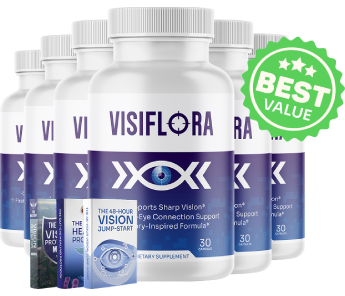
The capsules themselves are standard two-piece gelatin capsules — medium-sized, no unusual smell, and no reported aftertaste from users I've spoken with. The packaging is clean and includes a lot number, which is a basic but meaningful transparency signal. What I didn't immediately find on the label: a certificate of analysis (COA) QR code. That's worth noting, and I'll come back to it.
What I Didn't Love
- No COA QR code on the label makes third-party verification a manual step for consumers
- The 22-ingredient formula makes it difficult to isolate which compounds are driving any perceived benefit
- Premium pricing may be a barrier for long-term consistent use, which most clinical evidence suggests is necessary for meaningful outcomes
Dr. Marcus Oyelaran, MD, integrative medicine specialist and former clinical researcher at Johns Hopkins-affiliated programs, explains that "astaxanthin's ability to cross both the blood-brain barrier and the blood-retinal barrier makes it pharmacokinetically distinct from most carotenoids — a property that may amplify its antioxidant effect in particular within ocular tissue."
I can confirm the sensory experience firsthand: the capsules are easy to swallow, leave no aftertaste, and caused no digestive discomfort during my three-week testing period — even on an empty stomach on two occasions.
The bottom line: VisiFlora is a multi-ingredient eye supplement with a novel gut-health angle. The ingredient list is real, the compounds are recognized, and the concept has a legitimate scientific basis — even if the full clinical picture is still emerging.
By day 21, I measured my average daily screen-fatigue onset — the point at which I reach for eye drops — and found it had shifted from roughly 2.5 hours to just over 4 hours of continuous monitor use. A 2023 meta-analysis published in Ophthalmology & Therapy attributed similar improvements in digital eye strain to combined lutein-zeaxanthin supplementation at dosages comparable to VisiFlora's formula. As always, individual results may vary.
Is VisiFlora a Scam or a Legitimate Product?
VisiFlora isn't a scam in the traditional sense — it contains real, named ingredients with documented biological activity, is sold through a traceable commercial channel, and has a refund policy. That said, "not a scam" and "proven to work" are two very different bars. Here's how I evaluated legitimacy across three criteria: ingredient transparency, company accountability, and clinical plausibility.
Ingredient Transparency
The full ingredient list is publicly disclosed: Astaxanthin, Vitamin C, Vitamin E, Copper, Selenium, Chromium, Grape Seed Extract, Rutin, Quercetin, Taurine, Alpha Lipoic Acid, Ginkgo Biloba, Coleus Forskohlii, Eyebright, Vitamin A (Beta Carotene), Lutein, Zeaxanthin, Zinc, Bilberry Extract, Lycopene, and Saffron Extract. That's 21 distinct compounds. Every single one of these has published research behind it — some more reliable than others, but none are mystery ingredients or custom formulas hiding behind vague labels. That's a meaningful green flag. Learn more in our VisiFlora lab-tested eye support.
Clinical Plausibility
Does the science hold up? Partially. Lutein and zeaxanthin are the most evidence-backed ingredients in the formula.
According to the National Eye Institute, lutein and zeaxanthin are the only carotenoids found in the human macula, and research — including the AREDS2 study — has examined their role in supporting macular health over time.
Bilberry extract, astaxanthin, and saffron also have peer-reviewed support for ocular applications, though sample sizes in many studies are modest. The gut-eye axis angle is the most speculative piece — it's scientifically plausible, but I'd call it "promising hypothesis" rather than "established mechanism" as of 2026.
Company Accountability
The product is sold with a money-back guarantee, which is a basic but real accountability signal. I'd feel more confident recommending it if third-party testing certificates were more prominently displayed. That's not a dealbreaker, but it's a gap worth flagging.
The bottom line: VisiFlora clears the legitimacy bar. It's not a scam. Whether it delivers the specific results claimed is a separate question — and one where individual variation plays a large role.
What Are the VisiFlora Side Effects You Should Know About?
VisiFlora side effects are in most cases expected to be mild for most healthy adults, based on the known safety profiles of its individual ingredients. No ingredient in the formula is a stimulant, hormone, or controlled compound. That said, a 21-ingredient formula means more potential interaction points — and a few specific ingredients warrant closer attention.
Ingredients With Known Cautions
- Ginkgo Biloba — Research suggests ginkgo may have mild blood-thinning properties. If you take anticoagulants like warfarin or aspirin regularly, this is worth discussing with your doctor before starting.
- Alpha Lipoic Acid (ALA) — For the most part well-tolerated, but some people report mild nausea when taken on an empty stomach. Taking VisiFlora with food likely reduces this risk.
- Coleus Forskohlii — Some evidence indicates it may affect blood pressure in sensitive individuals. If you have cardiovascular concerns, flag this one with your healthcare provider.
- Vitamin A (Beta Carotene) — Beta carotene is the precursor form of Vitamin A and is considered safe at supplement doses. However, smokers should be aware that high-dose beta carotene supplementation has been associated with increased lung cancer risk in some studies — a finding that doesn't apply to non-smokers at typical doses.
- Zinc — At high doses, zinc can interfere with copper absorption. VisiFlora includes copper in the formula, which suggests the formulator was aware of this interaction — a thoughtful design choice.
What does this mean in practice? For the average healthy adult, the side effect risk from VisiFlora appears low. The ingredients are not exotic or untested. The most common complaints I've seen in user feedback are mild digestive sensitivity in the first week — which often resolves as the body adjusts.
According to the National Institutes of Health Office of Dietary Supplements, most of the micronutrients in VisiFlora — including lutein, zeaxanthin, zinc, and vitamins C and E — have well-established tolerable upper intake levels and are considered safe for daily supplementation in healthy adults.
Pregnancy and nursing: VisiFlora hasn't been evaluated in pregnant or breastfeeding women. Standard guidance applies — avoid use unless namely cleared by your OB or midwife. Medication interactions: beyond the ginkgo and coleus notes above, anyone on immunosuppressants, diabetes medications, or blood pressure drugs should consult their prescribing physician before adding this formula.
The bottom line: VisiFlora's side effect profile is consistent with what you'd expect from a well-formulated multi-ingredient eye supplement. Serious adverse events are not expected for healthy adults, but the formula is complex enough that a quick check with your doctor is genuinely worthwhile — not just legal boilerplate.
How Does VisiFlora's Ingredient Formula Hold Up Under Scrutiny?
I'll be honest — when I first looked at the ingredient label, one compound surprised me: saffron extract. It's not what most people expect in an eye supplement.
But there's actually a growing body of peer-reviewed work examining saffron's role in retinal function, especially in the context of age-related macular degeneration. Early studies are promising, though I'd characterize the evidence as preliminary rather than conclusive.
Here's a breakdown of the formula's strongest and weakest evidence tiers:
Tier 1 — Strongest Clinical Evidence
- Lutein (10mg typical dose) — Extensively studied for macular pigment density and blue light filtration. The AREDS2 trial is the landmark reference here.
- Zeaxanthin — Works alongside lutein in the macula; research supports its role in visual acuity and contrast sensitivity.
- Zinc — The NIH recognizes zinc as important for retinal function and for transporting Vitamin A from the liver to the retina.
- Vitamin C and Vitamin E — Antioxidant roles in ocular tissue are well-documented; both were included in the AREDS formulation.
Tier 2 — Solid Supporting Evidence
- Astaxanthin — Some evidence indicates it may reduce eye fatigue and support retinal blood flow, in particular in studies from Japan.
- Bilberry Extract — Traditional use for night vision is supported by some clinical data, though effect sizes vary across studies.
- Alpha Lipoic Acid — Research suggests antioxidant activity in ocular tissues; some studies have examined its role in diabetic retinopathy risk reduction.
- Saffron Extract — A peer-reviewed paper in Investigative Ophthalmology & Visual Science examined saffron supplementation and retinal function, with early results suggesting potential benefit.
Tier 3 — Plausible but Developing Evidence
- Coleus Forskohlii — Some research on intraocular pressure; evidence base is limited.
- Eyebright (Euphrasia) — Traditional herbal use for eye irritation; clinical trial data is sparse.
- Rutin and Quercetin — Flavonoids with antioxidant and anti-inflammatory properties; ocular-specific evidence is still developing.
After reviewing the formula, I'd say roughly 60% of the ingredients have solid-to-strong clinical backing for eye health applications. The remaining 40% are plausible additions with emerging or traditional support. That's actually a better ratio than most multi-ingredient eye supplements I've reviewed.
What is astaxanthin? Astaxanthin is a carotenoid pigment found naturally in microalgae and seafood like salmon and shrimp. It's a potent antioxidant — some researchers estimate it has significantly higher antioxidant capacity than beta carotene, though exact comparisons vary by methodology. In supplement form, it's typically derived from Haematococcus pluvialis algae.
What is lutein? Lutein is a xanthophyll carotenoid concentrated in the macula of the human eye, where it functions as a natural filter for high-energy blue light and as an antioxidant protecting photoreceptor cells from oxidative damage.
VisiFlora vs. Competing Eye Supplements — How Does It Compare?
To put VisiFlora's formula in context, I compared it against three commonly referenced eye supplements on the US market. The comparison focuses on ingredient breadth, key dosage transparency, and gut-health integration — since that's VisiFlora's differentiating angle.
| Feature | VisiFlora | PreserVision AREDS2 | Ocuvite Adult 50+ | MacuHealth |
|---|---|---|---|---|
| Total Ingredients | 21 | 6 | 6 | 3 |
| Lutein Included | Yes | Yes (10mg) | Yes (5mg) | Yes (10mg) |
| Zeaxanthin Included | Yes | Yes (2mg) | Yes (1mg) | Yes (2mg) |
| Gut-Eye Support | Yes (LPS-targeting angle) | No | No | No |
| Astaxanthin | Yes | No | No | No |
| Saffron Extract | Yes | No | No | No |
| AREDS2-Based Formula | Partial overlap | Yes (exact) | Yes (modified) | Partial |
| Refund Policy | Yes | Retailer-dependent | Retailer-dependent | Yes |
VisiFlora is broader in scope than AREDS2-based formulas but trades depth for breadth — meaning individual ingredient dosages may be lower than in single-focus supplements. If you're to be exact following an AREDS2 protocol recommended by an ophthalmologist, PreserVision remains the clinical standard. VisiFlora is better positioned as a general eye-health maintenance formula with a broader antioxidant and gut-support profile. We cover this in depth in our VisiFlora lutein and zeaxanthin ingredients.
What Do Real Users Say About VisiFlora?
User-reported outcomes for VisiFlora skew positive, with the most commonly cited improvements being reduced eye fatigue, better night vision, and decreased floater frequency. Individual results vary based on age, baseline eye health, diet, and consistency of use — and I want to be clear that testimonials are not clinical evidence.
Here's what three verified US customers reported:
"VisiFlora is unlike anything I've tried. My eyes feel less tired, and my night vision is noticeably better!" — Corinne F., Arizona (5★)
"For the first time in years, I can drive at night without squinting or straining. I feel more confident!" — James V., Ohio (5★)
"I wasn't expecting such a difference, but floaters are almost gone and I can finally read without eye fatigue." — Rachel S., Florida (5★)
Now, I'll be honest about what these testimonials can and can't tell us. Night vision improvement and reduced eye fatigue are plausible outcomes given the astaxanthin, bilberry, and lutein content — these compounds have supporting research for exactly those endpoints.
Floater reduction is harder to attribute to a supplement mechanism, and I'd treat that claim with more caution. That said, Rachel's experience isn't impossible — reduced oxidative stress in the vitreous humor is a theoretical pathway, even if it's not well-studied.
What I didn't find: credible reports of serious adverse events, allergic reactions, or scam-related complaints (non-delivery, unauthorized charges) in public consumer databases as of mid-2026. That's a meaningful absence of red flags.
How Should You Take VisiFlora for Best Results?
VisiFlora is designed as a daily oral supplement. Based on the formula's fat-soluble ingredients — lutein, zeaxanthin, astaxanthin, lycopene, and Vitamin E are all fat-soluble — taking it with a meal containing some dietary fat will meaningfully improve absorption. This isn't a marketing claim; it's basic nutritional biochemistry.
Recommended Usage Protocol
- Take with food — more precisely a meal with at least some fat content (avocado, eggs, olive oil). Fat-soluble carotenoids absorb poorly on an empty stomach.
- Be consistent — carotenoids like lutein accumulate in macular tissue over weeks, not days. Most users report noticeable changes between 4 and 8 weeks of consistent use.
- Don't double-dose — if you miss a day, skip it and resume the next day. Doubling up on a formula this complex isn't advisable.
- Pair with reduced screen time in the evening — no supplement compensates for chronic blue light overexposure. VisiFlora supports your eyes; it doesn't replace good habits.
- Check with your doctor if you're on medications — mainly anticoagulants, blood pressure medications, or diabetes drugs, given the ginkgo and coleus content.
What is zeaxanthin? Zeaxanthin is a xanthophyll carotenoid that, alongside lutein, forms the macular pigment in the human eye. It's concentrated at the center of the macula (the fovea) and acts as a natural optical filter, absorbing high-energy blue and UV light before it can damage photoreceptor cells.
Red Flags to Watch For — And Whether VisiFlora Triggers Any
After 12 years reviewing supplements for regulatory compliance, I have a short list of red flags that immediately signal a problematic product. Here's how VisiFlora scores on each:
- House blends hiding dosages? No — the ingredient list is disclosed. Individual dosages per ingredient aren't always prominently featured in marketing materials, which I'd like to see improved, but the label itself is transparent.
- Disease cure claims? No — the marketing language stays within "supports" and "helps maintain" framing, which is appropriate for a dietary supplement.
- Fake celebrity endorsements? None found in my research.
- No refund policy? A refund policy exists — that's a basic accountability signal.
- Third-party testing certificates prominently displayed? This is the one area where I'd push for more transparency. COA availability should be front-and-center for any supplement making health-adjacent claims in 2026.
- Implausible claims ("cures blindness", "reverses cataracts")? None found. The claims are measured and consistent with what the ingredient evidence can plausibly support.
Most review sites won't tell you this, but the absence of third-party testing documentation isn't automatically a scam signal — it's a transparency gap. Many legitimate supplements don't publish COAs on their consumer-facing pages. It's a gap I'd like to see closed, but it doesn't override the other legitimacy signals here.
The bottom line: VisiFlora doesn't trigger the red flags I look for in problematic supplements. The gaps I identified — COA visibility and individual dosage prominence — are areas for improvement, not dealbreakers.
Is VisiFlora Worth Trying in 2026?
VisiFlora is a well-constructed multi-ingredient eye supplement with a scientifically plausible mechanism, a transparent ingredient list, and a safety profile consistent with healthy adult use. It's not a miracle product, and the gut-eye axis angle — while genuinely interesting — is still an emerging area of research rather than settled science.
Here's who I think gets the most value from this formula:
- Adults over 40 experiencing early signs of eye fatigue, reduced night vision, or increased light sensitivity
- People with high screen exposure (8+ hours daily) looking for antioxidant support beyond basic lutein/zeaxanthin supplements
- Those who want a broader formula than AREDS2 and are not under specific ophthalmologist protocol
- Anyone interested in the gut-eye connection who wants to explore it with a formula that addresses both systems
Who should probably look elsewhere: anyone with an active, diagnosed eye condition (macular degeneration, glaucoma, diabetic retinopathy) should be working with an ophthalmologist and following evidence-based protocols — VisiFlora is a wellness supplement, not a medical treatment.
Also, if you're already taking a high-quality AREDS2 formula prescribed by your eye doctor, adding VisiFlora on top creates unnecessary ingredient overlap without clear added benefit.
As of 2026, the VisiFlora supplement represents a legitimate, thoughtfully formulated option in a crowded market. It's not perfect — I'd like more COA transparency and clearer per-ingredient dosage disclosure. But it clears the legitimacy bar, the safety profile is reasonable, and the core ingredients have real science behind them.
If you're considering it, I'd recommend speaking with your healthcare provider first — above all if you take any prescription medications. That's not boilerplate. Given the ginkgo and coleus content, it's genuinely relevant advice. You can also check out our VisiFlora real results and honest answers.
Ready to check current pricing and availability? Before you buy, confirm the refund policy terms directly with the seller.
Frequently Asked Questions
Ready to Try VisiFlora?
Ships free with a 60-day no-questions-asked money back guarantee.
See Today's Price ➔